guide lighting
Guide to Lighting: A Comprehensive Plan (as of 04/01/2026 02:24:16)
Illuminating your home effectively requires a layered approach, blending natural light with general, accent, and task lighting․ A well-planned scheme enhances ambiance and functionality,
particularly when entertaining guests, creating a welcoming and stylish atmosphere․
Lighting design transcends mere illumination; it’s an art form that profoundly impacts mood, functionality, and the overall aesthetic of a space․ A thoughtfully designed lighting plan considers the interplay of various light sources, their placement, and their control to create an environment tailored to specific needs and preferences․
Historically, lighting was primarily functional – providing visibility․ However, modern lighting design recognizes its psychological effects․ Warm light tones can foster relaxation and intimacy, while cooler tones promote alertness and focus․ Understanding these nuances is crucial for crafting effective schemes․
Successful lighting isn’t about simply adding fixtures; it’s about layering light․ This involves combining natural light, ambient (general) lighting, task lighting, and accent lighting to achieve a balanced and versatile result․ Each layer serves a distinct purpose, contributing to the overall harmony of the space․

Furthermore, advancements in lighting technologies – from traditional incandescent bulbs to energy-efficient LEDs and smart systems – offer unprecedented control and customization․ A comprehensive understanding of these options is essential for making informed decisions and creating a lighting plan that is both beautiful and sustainable․ Ultimately, good lighting design enhances life within a space․
II․ The Four Layers of Lighting
A truly effective lighting design isn’t reliant on a single source, but rather a harmonious blend of four distinct layers: ambient, task, accent, and natural lighting․ Each layer plays a crucial role in creating a well-lit and versatile space, catering to different needs and moods․
Ambient lighting, often referred to as general lighting, provides overall illumination, establishing a base level of brightness․ Task lighting focuses light on specific areas for activities like reading or cooking, enhancing functionality and reducing eye strain․ Accent lighting highlights architectural features, artwork, or decorative objects, adding visual interest and depth․
The fourth, and often overlooked, layer is natural lighting․ Maximizing daylight not only reduces energy consumption but also positively impacts well-being․ Strategic window placement and the use of light-filtering materials are key to harnessing its benefits․
These layers aren’t mutually exclusive; they work in concert․ A successful design seamlessly integrates all four, allowing for adjustments based on time of day, activity, and personal preference․ Mastering this layered approach is fundamental to achieving a truly sophisticated and functional lighting scheme․
III․ Ambient (General) Lighting
Ambient lighting forms the foundational layer of any well-designed lighting scheme, providing overall illumination to a room․ It’s the first layer of light our eyes perceive, establishing the basic brightness level and setting the mood․ Think of it as mimicking natural daylight, though with greater control․
Effective ambient lighting avoids harsh shadows and glare, creating a comfortable and inviting atmosphere․ Common fixtures include chandeliers, ceiling-mounted lights, recessed lighting, and even strategically placed floor lamps․ The goal isn’t to brightly illuminate every corner, but to provide a uniform level of light that allows for safe navigation and general activity․
Dimming capabilities are crucial for ambient lighting, allowing you to adjust the intensity to suit different occasions․ Brighter settings are ideal for tasks, while lower levels create a more relaxed ambiance․ Consider the room’s function when selecting fixtures and light levels; a living room will require a different approach than a kitchen;
Successfully implemented ambient lighting is subtle yet impactful, providing a comfortable base upon which other lighting layers can build․
IV․ Task Lighting: Functionality and Focus
Task lighting is specifically designed to illuminate areas where focused work or activities take place․ Unlike ambient lighting’s broad coverage, task lighting concentrates brightness on a specific area, reducing eye strain and improving visibility․ It’s about providing the right amount of light, in the right place, for the task at hand․
Examples include desk lamps for reading and writing, under-cabinet lighting in kitchens for food preparation, and reading lights beside beds․ The key is to minimize shadows and glare, ensuring comfortable and efficient performance of the task․ Adjustable fixtures are highly beneficial, allowing you to direct the light precisely where it’s needed․
Consider the intensity and color temperature of task lighting․ Cooler, brighter light is often preferred for tasks requiring high concentration, while warmer tones can be more relaxing for reading․ Proper placement is also critical; avoid positioning lights that create reflections or cast shadows on your work surface․
Effective task lighting isn’t just about brightness; it’s about enhancing functionality and promoting comfort during specific activities․
V․ Accent Lighting: Highlighting Features
Accent lighting is the dramatic layer of a lighting plan, used to emphasize specific objects or architectural features within a space․ It’s about drawing the eye and adding visual interest, creating depth and highlighting the personality of a room․ Unlike general or task lighting, accent lighting isn’t about illumination for function, but rather for aesthetic effect․
This type of lighting often involves spotlights, track lighting, or picture lights directed at artwork, sculptures, bookshelves, or unique architectural details․ The goal is to create a focal point and add a layer of sophistication to the room’s design․ Consider the beam angle of the light; narrower beams create more focused highlights, while wider beams offer a softer glow․
Strategic placement is crucial for effective accent lighting․ Experiment with different angles and intensities to achieve the desired effect․ Dimmer switches are particularly useful, allowing you to adjust the brightness and create different moods․ Accent lighting complements the other layers, enhancing the overall ambiance and visual appeal of the space․
VI․ Natural Lighting: Maximizing Daylight
Harnessing natural light is the cornerstone of any successful lighting design․ It’s the most flattering, energy-efficient, and mood-boosting light source available․ Maximizing daylight not only reduces reliance on artificial lighting but also enhances the overall well-being and aesthetic appeal of a space․
Begin by assessing how much natural light each room receives․ Consider window size, orientation, and any obstructions like trees or buildings․ Simple adjustments can make a significant difference: use sheer curtains to diffuse harsh sunlight, strategically place mirrors to reflect light deeper into the room, and opt for light-colored wall paints to enhance brightness․
Avoid blocking windows with heavy furniture․ Clean windows regularly to ensure maximum light transmission․ Skylights and light tubes can bring daylight into areas with limited window access․ Integrating natural light with artificial lighting creates a balanced and inviting atmosphere, promoting a connection with the outdoors and improving the quality of life within the home․
VII․ Lighting Technologies: A Deep Dive
The world of lighting has evolved dramatically, offering a diverse range of technologies each with unique characteristics․ Understanding these options is crucial for making informed decisions about your home’s illumination․ From traditional incandescent bulbs to cutting-edge smart systems, the choices can seem overwhelming․
Historically, incandescent and halogen lighting were dominant, prized for their warm tones but criticized for inefficiency․ LED (Light Emitting Diode) technology has now become the industry standard, offering superior energy efficiency, longevity, and versatility․ Fluorescent lighting remains a cost-effective option for certain applications, though it’s gradually being replaced by LEDs․
Beyond the bulb itself, smart lighting systems are revolutionizing how we control and interact with light․ These systems allow for remote control, scheduling, and integration with other smart home devices, providing convenience and energy savings․ Exploring these technologies empowers you to create a lighting scheme tailored to your specific needs and preferences․
VIII․ Incandescent Lighting: Traditional Warmth
Incandescent lighting, the oldest widely used lighting technology, produces light by heating a filament until it glows․ This process creates a warm, inviting light quality that many find aesthetically pleasing, often described as cozy and relaxing․ For decades, it was the primary source of illumination in homes worldwide․
However, incandescent bulbs are notoriously inefficient․ A significant portion of the energy consumed is released as heat rather than light, leading to higher electricity bills and a shorter lifespan compared to newer technologies․ While they offer excellent color rendering, accurately displaying the true colors of objects, their energy consumption is a major drawback․
Due to increasing energy efficiency standards, incandescent bulbs are being phased out in many regions․ Though still available, they are becoming less common as consumers and businesses transition to more sustainable alternatives like LEDs․ Despite their decline, the warm glow of incandescent lighting remains a nostalgic favorite for some․
IX․ Halogen Lighting: Brightness and Efficiency
Halogen lighting represents an improvement over traditional incandescent bulbs, offering increased brightness and efficiency․ These bulbs contain a small amount of halogen gas, such as iodine or bromine, which allows the filament to operate at a higher temperature․ This results in a brighter, whiter light output for the same amount of energy consumed․
Halogen lamps are known for their excellent color rendering index (CRI), meaning they accurately display colors, making them suitable for tasks requiring precise color perception․ They also boast a longer lifespan than standard incandescent bulbs, though still shorter than LEDs or fluorescent options․
However, halogen bulbs still generate significant heat and are less energy-efficient than more modern lighting technologies․ They also require careful handling as the bulbs can get extremely hot and may shatter if damaged․ While offering a step up from incandescent, halogen lighting is gradually being replaced by more efficient and safer alternatives, particularly LED lighting, due to ongoing energy conservation efforts;
X․ LED Lighting: The Modern Standard
Light Emitting Diodes (LEDs) have rapidly become the dominant force in the lighting industry, establishing themselves as the modern standard due to their exceptional efficiency, longevity, and versatility․ Unlike incandescent or halogen bulbs, LEDs don’t rely on a filament; instead, they produce light through a semiconductor process․
LEDs consume significantly less energy – up to 75% less than incandescent bulbs – while delivering comparable or superior brightness․ Their lifespan is dramatically longer, often lasting 25,000 hours or more, reducing the frequency of replacements and associated costs․ LEDs are also incredibly durable, resistant to shock and vibration․
Furthermore, LEDs offer a wide range of color temperatures and color options, allowing for customized lighting schemes․ They are available in various shapes and sizes, making them suitable for diverse applications․ While initially more expensive, the long-term savings in energy and replacement costs make LEDs a cost-effective and environmentally friendly choice for any lighting project․
XI․ Fluorescent Lighting: Cost-Effective Options
Fluorescent lighting, particularly compact fluorescent lamps (CFLs), has long been recognized as a cost-effective lighting solution, offering a balance between energy efficiency and affordability․ These lamps produce light by passing an electric current through a gas, causing it to emit ultraviolet light which then excites a phosphor coating to create visible light․
Compared to traditional incandescent bulbs, fluorescent lights consume significantly less energy – approximately 75% less – and have a considerably longer lifespan․ This translates to lower electricity bills and reduced replacement frequency․ However, fluorescent lights contain a small amount of mercury, requiring careful disposal to minimize environmental impact․
Fluorescent lighting is available in various color temperatures, though historically, they were known for producing a cooler, sometimes harsh light․ Modern fluorescent lamps offer warmer tones to create a more inviting atmosphere․ While LEDs are increasingly favored, fluorescent options remain a viable choice for budget-conscious projects, particularly in areas requiring consistent, widespread illumination․
XII․ Smart Lighting Systems: Control and Automation
Smart lighting systems represent a significant advancement in home illumination, offering unprecedented control and automation capabilities․ These systems utilize connected bulbs, switches, and hubs to allow users to manage their lighting remotely via smartphones, tablets, or voice assistants․
The benefits of smart lighting are numerous․ Users can adjust brightness, change colors, and create customized lighting scenes to suit different moods or activities․ Scheduling features enable automated on/off times, enhancing security and energy savings․ Integration with smart home ecosystems like Amazon Alexa or Google Assistant allows for voice-controlled operation․
Beyond convenience, smart lighting contributes to energy efficiency․ By automating lights to turn off when rooms are unoccupied or dimming them based on ambient light levels, energy consumption can be significantly reduced․ Advanced systems offer features like geofencing, automatically adjusting lights based on your location․ While initial investment costs are higher, the long-term benefits of convenience, security, and energy savings make smart lighting a compelling option․
XIII․ Lighting for Different Rooms
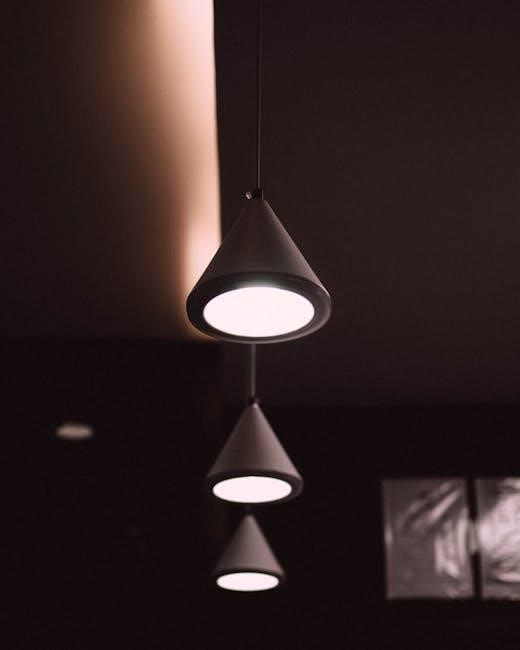
Effective lighting design is not one-size-fits-all; it must be tailored to the specific function and ambiance of each room․ Different spaces require varying levels of brightness, color temperature, and fixture types to optimize both practicality and aesthetic appeal․
Consider the activities that take place in each room․ For example, kitchens demand bright, focused task lighting over countertops and cooking areas, while living rooms benefit from a combination of ambient, task, and accent lighting to create a welcoming atmosphere․ Bedrooms prioritize softer, warmer tones to promote relaxation and sleep․
Bathrooms require bright, even illumination for grooming tasks, coupled with safety considerations like moisture-resistant fixtures․ Home offices necessitate focused task lighting to minimize eye strain and enhance productivity․ Layering light sources is key, combining overhead fixtures with lamps and accent lights to achieve a balanced and versatile lighting scheme throughout the home․ Careful planning ensures each room is optimally lit for its intended purpose․
XIV․ Living Room Lighting Schemes
The living room, often the heart of the home, demands a versatile lighting scheme capable of adapting to various activities – from relaxing with a book to hosting lively gatherings․ A successful design incorporates all four layers of lighting: ambient, task, accent, and, when possible, natural light․
Ambient lighting, typically provided by a central fixture or recessed lights, establishes the overall illumination level․ Task lighting, such as floor lamps or table lamps, focuses light on specific areas for reading or hobbies․ Accent lighting, using spotlights or wall sconces, highlights artwork or architectural features, adding depth and visual interest․
Dimmers are essential for controlling the mood and intensity of the light․ Consider incorporating a mix of warm and cool tones to create a welcoming and adaptable space․ For entertaining, strategically placed accent lights can create a sophisticated ambiance, while brighter task lighting ensures guests can comfortably navigate the room․ Layering these elements allows for a dynamic and inviting living space․
XV․ Kitchen Lighting: Function Meets Style

The kitchen is a highly functional space, demanding a lighting scheme that prioritizes visibility and safety, while also contributing to the room’s aesthetic appeal․ Effective kitchen lighting requires a layered approach, combining ambient, task, and accent lighting to create a well-illuminated and inviting environment․
Ambient lighting, often provided by ceiling fixtures, establishes the base level of illumination․ However, kitchens benefit significantly from dedicated task lighting under cabinets, illuminating countertops for food preparation․ Pendant lights over islands or breakfast bars provide both focused light and a stylish focal point․
Accent lighting, such as under-cabinet strips or spotlights, can highlight attractive features like backsplashes or open shelving․ Dimmers are crucial for adjusting the light intensity, allowing for a bright, functional workspace during cooking and a softer, more relaxed ambiance during casual meals․ Prioritize bright, even illumination to ensure safety and efficiency while working in the kitchen․
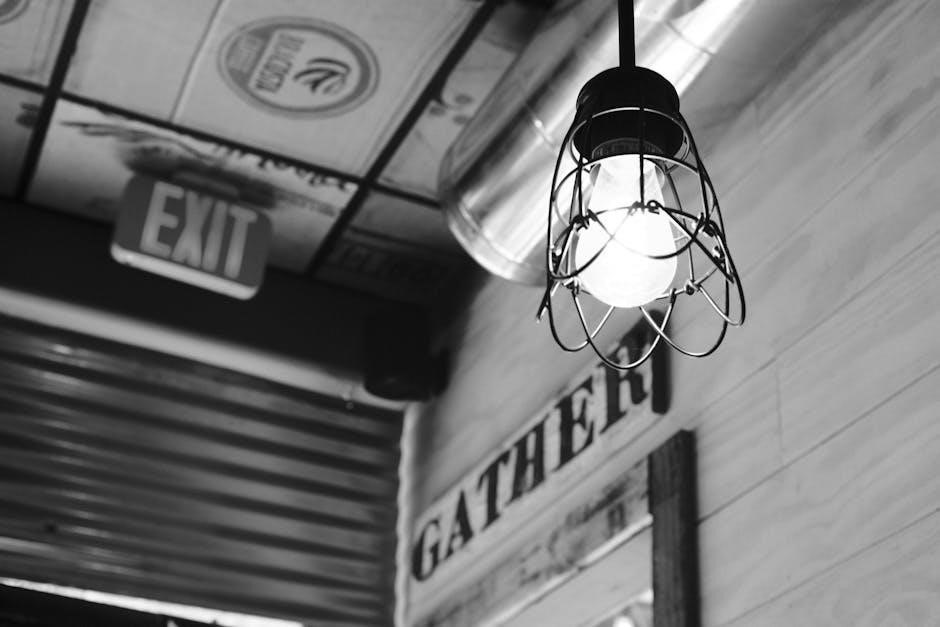
XVI․ Bedroom Lighting: Creating a Relaxing Atmosphere
The bedroom should be a sanctuary, and lighting plays a crucial role in fostering a relaxing and peaceful atmosphere․ Unlike task-oriented spaces, bedroom lighting prioritizes warmth and comfort, moving away from harsh, bright illumination․ A layered approach, incorporating ambient, task, and accent lighting, is key to achieving this balance․
Ambient lighting, often provided by a central ceiling fixture or a chandelier, should be soft and diffused․ Dimmers are essential, allowing you to adjust the brightness to suit your mood and activity․ Task lighting, such as bedside lamps, provides focused light for reading or other quiet activities․ Choose lamps with warm-toned bulbs to enhance the relaxing ambiance․
Accent lighting, like wall sconces or strategically placed spotlights, can highlight artwork or architectural features․ Avoid overly bright or cool-toned lights, as these can disrupt sleep patterns․ Prioritize creating a calming and inviting space where you can unwind and recharge, using light to enhance the bedroom’s tranquil character․
XVII․ Bathroom Lighting: Brightness and Safety
Bathroom lighting demands a careful balance of brightness for functionality and a comfortable ambiance․ Safety is paramount, particularly around water sources, requiring appropriate fixture selection and installation․ A layered lighting scheme is crucial, incorporating ambient, task, and accent lighting to address various needs within the space․
Ambient lighting typically comes from a central ceiling fixture, providing overall illumination․ However, this alone is often insufficient․ Task lighting is essential around the vanity, ensuring adequate visibility for grooming and makeup application․ Sconces flanking the mirror, or a light bar above it, are excellent choices․ Avoid shadows by ensuring even light distribution․
Accent lighting can add a touch of luxury and highlight architectural details․ Consider waterproof recessed lighting or LED strip lights․ Crucially, all electrical fixtures must be rated for damp locations and installed according to safety codes․ Dimmers allow for adjusting brightness, creating a relaxing atmosphere for bathing while providing ample light when needed․
XVIII․ Home Office Lighting: Productivity and Comfort
A well-lit home office is critical for both productivity and eye comfort․ Unlike other rooms, the office demands focused illumination to minimize strain during extended work periods․ A layered approach, combining ambient, task, and accent lighting, is highly recommended to create a versatile and ergonomic workspace․
Ambient lighting should provide a general level of illumination, preventing harsh contrasts․ Recessed lighting or a diffused ceiling fixture works well․ However, task lighting is the most important element, focusing bright, glare-free light on your work surface․ An adjustable desk lamp is ideal, allowing you to direct light precisely where needed․
Consider the position of windows to avoid glare on your computer screen․ Accent lighting can add visual interest and reduce monotony, perhaps highlighting artwork or bookshelves․ Prioritize color temperature; cooler, bluer light can enhance alertness, while warmer tones promote relaxation during breaks․ Dimmers are invaluable for adjusting light levels throughout the day․
XIX․ Lighting Control Systems
Modern lighting control systems offer far more than simply switching lights on and off․ They provide convenience, energy savings, and the ability to create customized lighting scenes tailored to different activities and moods․ Several options are available, ranging from simple dimmers to sophisticated smart home integrations․
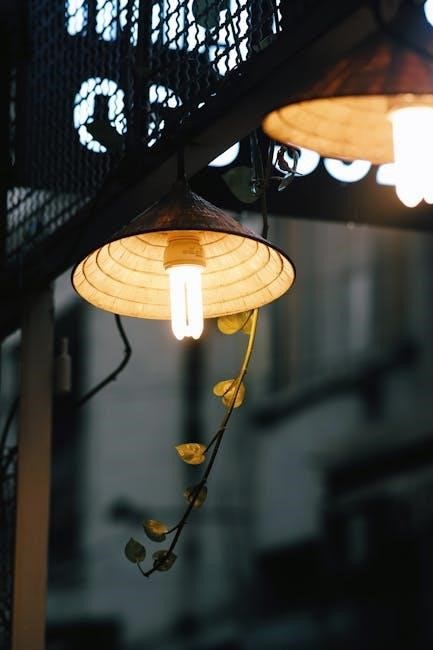
Dimmers are the most basic form of control, allowing you to adjust light intensity to suit your needs․ They extend bulb life and reduce energy consumption․ Timers and sensors automate lighting, turning lights on or off based on a schedule or occupancy․ This enhances security and saves energy when you’re away․
Smart home integration takes control to the next level, enabling voice control and remote access via smartphones or tablets․ You can create schedules, adjust lighting remotely, and integrate with other smart home devices․ Consider systems compatible with popular voice assistants for hands-free operation․ Investing in a robust control system maximizes the benefits of your lighting design․
XX․ Dimmers: Adjusting Light Intensity
Dimmers are essential components of a versatile lighting control system, offering precise adjustment of light levels to create the perfect ambiance for any occasion․ Beyond aesthetics, dimmers provide significant practical benefits, including energy savings and extended bulb life․
Traditional dimmers work by reducing the voltage supplied to the bulb, lowering its brightness․ Modern dimmers, particularly those designed for LEDs, utilize more sophisticated technologies to ensure smooth dimming and prevent flickering․ Compatibility is crucial; always choose a dimmer specifically rated for the type of bulb you’re using – incandescent, halogen, or LED․
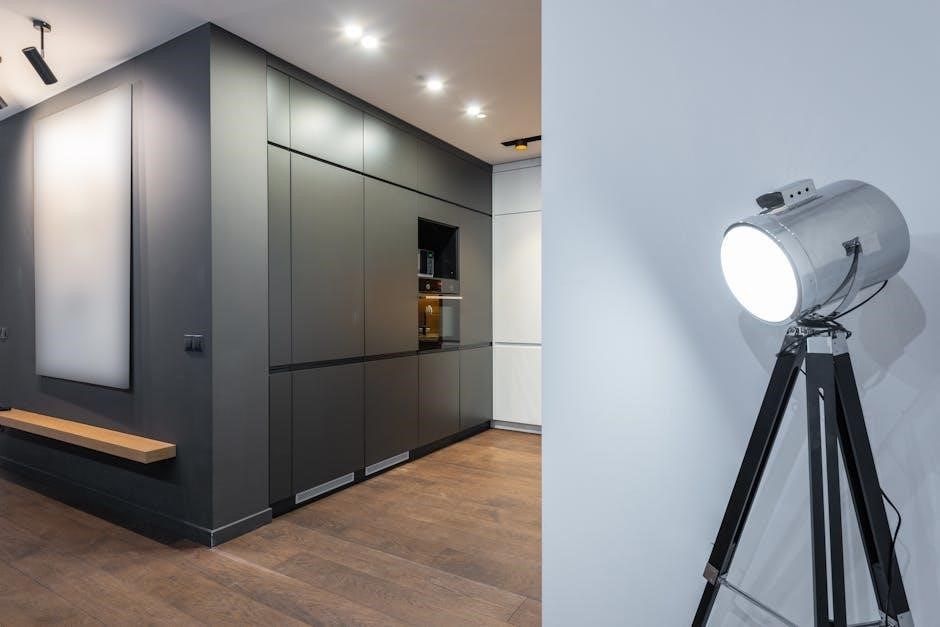
Installing dimmers is a relatively simple DIY project for those comfortable with basic electrical work, but professional installation is recommended if you’re unsure․ Consider the dimmer’s wattage rating to ensure it can handle the total load of the connected bulbs․ Dimmers transform a space, offering flexibility and enhancing the overall lighting experience․
XXI․ Timers and Sensors: Automated Lighting
Automated lighting, utilizing timers and sensors, adds convenience, security, and energy efficiency to any home․ Timers allow you to schedule lights to turn on and off at predetermined times, simulating occupancy when you’re away, enhancing home security and deterring potential intruders․
Simple mechanical timers are affordable and easy to use, while digital timers offer greater programming flexibility․ Motion sensors detect movement and automatically activate lights in specific areas, ideal for hallways, entryways, and outdoor spaces․ Photocells measure ambient light levels and turn lights on only when needed, maximizing energy savings․
Integrating timers and sensors into your lighting plan provides a seamless and intelligent lighting experience․ Smart timers and sensors can be controlled remotely via smartphone apps, offering even greater convenience and customization․ These technologies contribute to a safer, more comfortable, and energy-conscious living environment, simplifying daily routines․
XXII․ Smart Home Integration: Voice Control and Scheduling
Seamlessly integrating lighting into a smart home ecosystem unlocks unparalleled control and convenience․ Voice control, through assistants like Alexa or Google Assistant, allows you to adjust lights with simple verbal commands – dimming, brightening, or changing colors without lifting a finger․
Advanced scheduling capabilities go beyond basic timers․ Smart systems enable you to create customized lighting scenes for different activities – “movie night,” “dinner party,” or “reading time” – activated with a single command or automatically triggered by time of day․ Geofencing features can turn lights on as you approach home, providing a welcoming ambiance and enhanced security․
Smart hubs connect various smart lighting devices, creating a unified and responsive system․ Remote access via smartphone apps allows you to monitor and control your lights from anywhere in the world․ This integration not only enhances comfort and convenience but also contributes to significant energy savings and a more secure home environment․
XXIII․ Common Lighting Mistakes to Avoid
Many homeowners unintentionally compromise their lighting schemes with easily avoidable errors․ One frequent mistake is relying solely on a single overhead light source, creating harsh shadows and a flat, uninviting atmosphere․ Insufficient layering – neglecting task, accent, and ambient lighting – results in a poorly balanced and functionally inadequate space․
Incorrect bulb wattage is another common issue․ Too low, and the room feels dim; too high, and it can be glaring and uncomfortable․ Ignoring color temperature can also disrupt the mood; cool white is ideal for task areas, while warm white is better suited for relaxation spaces․ Overlooking dimmer switches is a missed opportunity to customize lighting levels and create ambiance․
Failing to consider the room’s function leads to inappropriate lighting choices․ Poor placement of fixtures can create glare or leave areas underexposed․ Neglecting to update outdated fixtures can make a space feel dated and inefficient․ Addressing these common pitfalls will dramatically improve your home’s lighting design․
XXIV․ Future Trends in Lighting Technology
The landscape of lighting is rapidly evolving, driven by innovation and a growing focus on sustainability and personalization․ Human-centric lighting, which mimics natural daylight patterns, is gaining prominence, promoting well-being and regulating circadian rhythms․ Expect to see more sophisticated smart lighting systems integrating seamlessly with other smart home devices, offering unparalleled control and automation․
Advancements in OLED (Organic Light-Emitting Diode) technology promise thinner, more flexible, and energy-efficient lighting solutions․ Li-Fi, utilizing light for data transmission, could become a viable alternative to Wi-Fi, offering increased security and bandwidth․ Biodegradable and recyclable lighting materials are also on the horizon, addressing environmental concerns․
AI-powered lighting systems will learn user preferences and automatically adjust lighting based on activity and time of day․ Tunable white lighting, allowing for precise color temperature control, will become more commonplace․ These trends point towards a future where lighting is not just functional, but also intelligent, adaptive, and environmentally responsible․