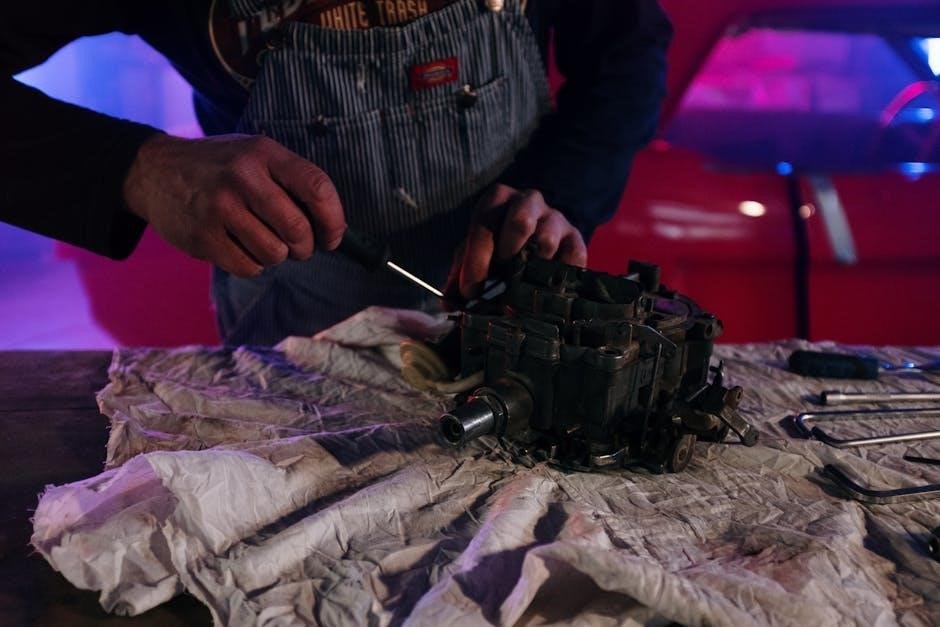
mikuni carburetor tuning manual
Mastering Mikuni carburetor tuning unlocks peak engine performance․ Numerous guides, from 20-page HSR42 specifics to 60-page comprehensive manuals, exist for optimal results․
What is a Mikuni Carburetor?
Mikuni carburetors are renowned for their precision and widespread use in motorcycles, particularly two-stroke applications, and Harley-Davidson engines․ They meticulously blend air and fuel, delivering a combustible mixture to the engine․ Models like the HSR42, TM40, and Super BN46 cater to diverse performance needs․ Understanding their internal workings – venturis, jets, and needles – is crucial for effective tuning․ These carburetors are favored for their responsiveness and tunability, making them a staple in performance circles․
Why Tune a Mikuni Carburetor?
Proper tuning maximizes engine power, fuel efficiency, and responsiveness; A correctly tuned Mikuni eliminates issues like sluggish acceleration or poor fuel economy․ Adjustments optimize the air-fuel mixture across the RPM range, ensuring peak performance at high speeds (5000 RPM+)․ Tuning compensates for altitude and temperature changes, maintaining optimal operation․ Utilizing manuals and guides ensures consistent, reliable results, avoiding rich or lean conditions․
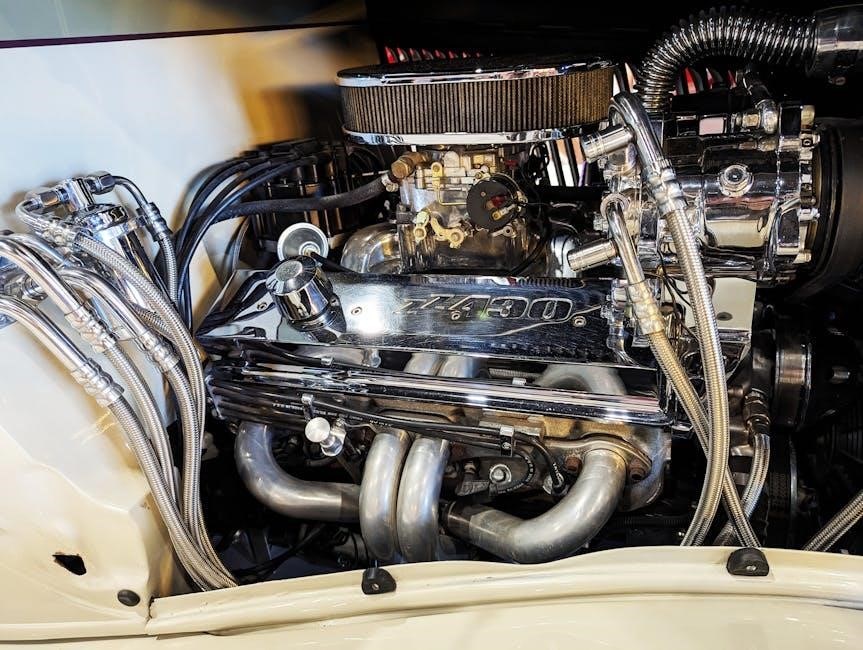
Understanding Mikuni Carburetor Components
Key components – main jet, pilot jet, needle jet/needle, and air jets – each control specific RPM ranges․ Understanding their function is crucial for effective tuning․
Main Jet
The main jet governs fuel flow at high RPMs – typically above 5000 RPM to redline․ Tuning involves selecting the correct jet size to achieve maximum power․ Larger jets deliver more fuel, suitable for performance gains, while smaller jets restrict flow․ Proper selection ensures a balanced air-fuel mixture, preventing lean or rich conditions at higher engine speeds, as detailed in tuning guides․
Pilot Jet (Slow Jet)
The pilot jet, also known as the slow jet, manages fuel delivery at idle and low throttle openings․ Adjusting the pilot jet is crucial for smooth off-idle response and preventing stalling․ Guides emphasize that changes to the pilot screw correlate to ․25 to ․5 turns per pilot jet size change, ensuring precise tuning for optimal low-end performance․
Needle Jet and Needle
The needle jet and needle control the mid-range fuel mixture, impacting throttle response between idle and full throttle․ Adjusting the needle’s position alters this mixture; richer settings are for acceleration, leaner for cruising․ Selecting the correct needle jet size, alongside needle position, is vital for a smooth and responsive mid-range powerband, avoiding hesitation or bogging․
Air Jets
Air jets, often overlooked, significantly influence the carburetor’s overall fuel-air mixture․ They regulate airflow at specific throttle positions, impacting both pilot and main circuits․ Changes to air jet sizing affect how the carburetor responds to throttle input and atmospheric conditions․ Proper air jet selection ensures optimal combustion efficiency and prevents lean or rich running scenarios․

Tools and Gauges for Mikuni Tuning
Essential tools include wideband O2 sensors, jetting kits, and specialized instruments․ Accurate gauges are crucial for monitoring air-fuel ratios during the tuning process;
Tuning Gauges (e․g․, Wideband O2 Sensor)
Precise tuning demands accurate data, making gauges indispensable․ Wideband O2 sensors are paramount, providing real-time air/fuel ratio (AFR) readings․ These sensors display the AFR, guiding jetting adjustments for optimal combustion․ Monitoring AFR prevents lean conditions—causing engine damage—and rich mixtures, hindering performance․ Data logging capabilities allow analysis of AFR across the RPM range, ensuring a finely tuned carburetor․ Investing in quality gauges yields significant improvements in engine efficiency and longevity, ultimately maximizing power output․
Jetting Kits
Comprehensive jetting kits simplify the tuning process, offering a range of main and pilot jets, needles, and sometimes air jets․ These kits eliminate the need to purchase components individually, providing a cost-effective solution for experimentation․ Kits cater to various engine modifications and altitudes, ensuring optimal fuel delivery․ Selecting the correct kit based on your engine’s specifications is crucial․ Systematic jetting changes, guided by AFR readings, allow for precise adjustments, unlocking maximum performance and reliability․
Specialized Tools
Beyond standard wrenches, successful Mikuni tuning demands specialized tools․ Synchrometers balance carburetors for smooth operation․ Vacuum gauges diagnose intake leaks impacting performance․ However, a wideband O2 sensor is paramount, providing real-time air/fuel ratio (AFR) data․ Accurate AFR readings are essential for precise jetting adjustments․ Digital multimeters verify electrical components․ Investing in quality tools ensures accurate diagnoses and efficient tuning, maximizing engine output․
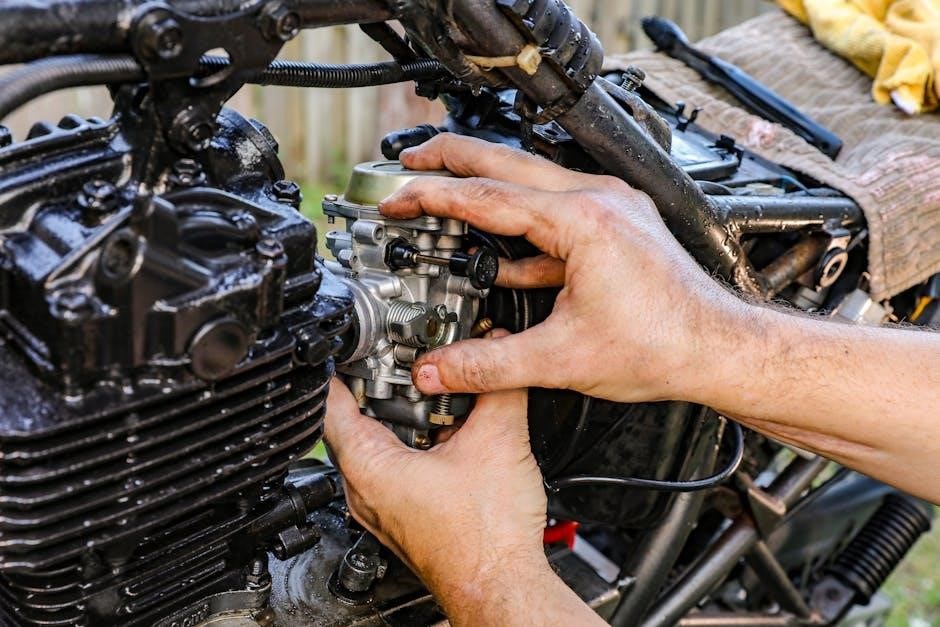
Tuning the Pilot Circuit
Precise pilot circuit tuning ensures smooth idling and responsive low-speed performance․ Adjust the pilot screw, observing changes, and select the correct pilot jet size․
Pilot Screw Adjustment
The pilot screw governs the fuel/air mixture at idle and just off-idle․ Begin with the screw at the factory setting, typically 1․25 turns out․ Adjust in small increments – ․25 to ․5 turns – observing engine response․ Turning the screw in leans the mixture, while turning it out richens it․ Listen for the highest idle speed and smoothest transition from idle․
Pilot Jet Selection – ․25 to ․5 turns per pilot change
Selecting the correct pilot jet is crucial for smooth low-end performance․ A change in pilot jet size necessitates a corresponding pilot screw adjustment․ Generally, increasing the pilot jet size by 2․5 (․25) to 5 (․5) requires turning the pilot screw out approximately ․25 to ․5 turns to maintain optimal mixture and idle quality․ Careful adjustment ensures a responsive throttle․
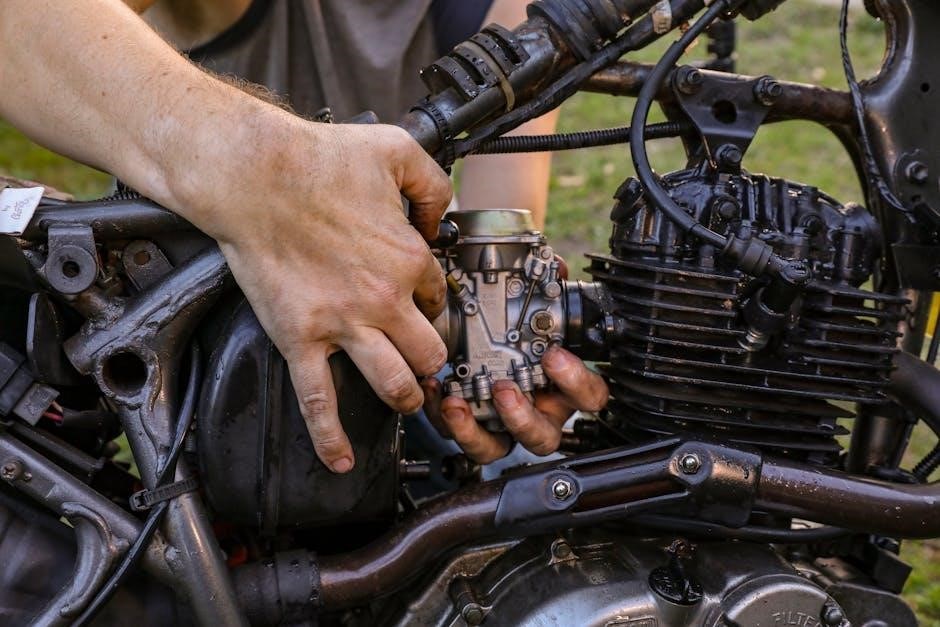
Tuning the Mid-Range Circuit
Adjusting the needle position and selecting the appropriate needle jet refines the carburetor’s response during throttle transitions, enhancing rideability and power․
Needle Position Adjustment
Precisely altering the needle’s position within the slide dramatically impacts the mid-range fuel delivery․ Raising the needle enriches the mixture, ideal for correcting lean spots during acceleration․ Conversely, lowering it leans out the mixture, addressing richness․ Small adjustments—one clip position at a time—are crucial․
Carefully evaluate the engine’s response after each change, noting improvements or regressions․ This iterative process, combined with plug chops, helps pinpoint the optimal needle height for smooth, responsive performance throughout the mid-range․
Needle Jet Selection
Choosing the correct needle jet is vital for a responsive mid-range․ A larger needle jet delivers more fuel, addressing lean conditions, while a smaller one restricts flow, correcting richness․ This selection directly influences how the needle interacts with the airflow․
Consider the engine’s displacement, modifications, and riding style when selecting a needle jet․ Changes often necessitate corresponding adjustments to the needle position for optimal results and a smooth powerband․
Tuning the Main Circuit
Optimize high-RPM power (5000 RPM+) by carefully selecting the main jet․ Venturi size significantly impacts fuel delivery, influencing the main circuit’s effectiveness․
Main Jet Selection – Best Power at High RPMs (5000 RPM+)
Achieving optimal performance at higher revolutions—typically above 5000 RPM—hinges on precise main jet selection․ The goal is to deliver the correct fuel volume for maximum power output without risking a lean condition․ Begin by establishing a baseline jet size and incrementally increase or decrease it based on performance testing․
Observe spark plug color; a light tan indicates proper tuning, while white suggests a lean mixture needing a larger jet, and dark brown/black signals a rich condition requiring a smaller one․ Careful observation and iterative adjustments are key․
Venturi Size and its Impact
The venturi, a crucial carburetor component, acts as a restriction in the airflow path, creating a pressure drop that draws fuel into the airstream․ Its size significantly influences the carburetor’s overall performance characteristics․ A larger venturi increases airflow, potentially requiring a larger main jet to maintain proper fuel-air ratios․
Conversely, a smaller venturi restricts airflow, often necessitating a smaller main jet․ Venturi size selection should align with engine displacement and intended operating RPM range for optimal efficiency․

Advanced Tuning Techniques
Refining performance demands altitude and temperature compensation․ These adjustments ensure optimal fuel-air mixtures across varying conditions, maximizing power and efficiency consistently․
Altitude Compensation
As altitude increases, air density decreases, requiring leaner jetting to maintain the correct air-fuel ratio․ Mikuni tuning necessitates understanding this relationship; higher elevations demand smaller main and pilot jets․ Conversely, lower altitudes require richer mixtures․ Adjustments involve carefully selecting jet sizes, often starting with a smaller main jet and incrementally increasing it until optimal performance is achieved․ Proper altitude compensation prevents a rich, sluggish engine at high elevations and a lean, potentially damaging condition at sea level․
Temperature Compensation
Ambient temperature significantly impacts fuel density and vaporization․ Colder temperatures necessitate richer mixtures as air is denser and fuel doesn’t vaporize as readily․ Warmer temperatures demand leaner settings due to increased fuel vaporization․ Mikuni tuning requires adapting jetting based on these conditions․ Adjustments often involve pilot jet and needle position tweaks to ensure consistent performance across varying temperatures, preventing a sluggish cold start or overheating in warmer climates․

Troubleshooting Common Issues
Identifying rich or lean conditions is crucial․ Symptoms include poor starting, black smoke (rich), or backfiring (lean), demanding jetting and screw adjustments․
Rich Condition Symptoms
A rich condition manifests in several ways, signaling an overabundance of fuel․ Common indicators include black smoke emanating from the exhaust pipe, a strong fuel odor, and difficulty starting the engine – often requiring excessive choking․ Spark plug fouling, appearing wet and black, is another telltale sign․ Performance may feel sluggish, lacking crisp throttle response, and the engine might exhibit four-stroke-like sputtering during acceleration․ Addressing this requires leaning out the mixture via jetting or screw adjustments․
Lean Condition Symptoms
Conversely, a lean condition indicates insufficient fuel, presenting distinct symptoms․ Expect a lean popping or backfiring sound, especially during deceleration or abrupt throttle changes․ The engine may run hot, potentially leading to damage․ Spark plugs will appear white or light gray․ A lean mixture often results in reduced power and a hesitant throttle response․ Correcting this involves enriching the mixture through larger jetting or screw adjustments to avoid engine harm․
Specific Mikuni Carburetor Models
Diverse Mikuni models—HSR42, TM40/TM42, and Super BN46—require tailored tuning approaches․ Each carburetor’s unique design necessitates specific jetting and adjustment techniques for peak performance․
Mikuni HSR42 Tuning
The Mikuni HSR42, popular for Harley Davidson EVO and Twincam engines, demands precise tuning․ A 20-page guide details its intricacies․ Focus initially on the pilot screw for idle stability, then systematically address the needle position for mid-range response․ Main jet selection is crucial for high-RPM power—aim for optimal performance above 5000 RPM․ Remember, consistent adjustments and careful observation are key to unlocking the HSR42’s full potential․
Mikuni TM40/TM42 Tuning
The Mikuni TM40 and TM42 carburetors, frequently used in performance applications, require methodical tuning․ Utilize the exploded view and parts list within the tuning manual for accurate component identification․ Begin with pilot jet adjustments, followed by needle positioning to refine the mid-range․ Finally, dial in the main jet for peak power, ensuring smooth transitions throughout the RPM range․
Mikuni Super BN46 Tuning
For the Mikuni Super BN46, precise pilot circuit adjustments are crucial․ The manual details that pilot changes should correlate to a ․25 to ․5 turn adjustment of the pilot screw․ This ensures optimal fuel delivery at idle and low speeds․ Remember to consider slide and air jet changes alongside pilot jet selection for balanced performance․
Resources and Manuals
Access official Mikuni tuning manuals and explore vibrant online forums․ These communities provide invaluable support and shared knowledge for successful carburetor adjustments․
Official Mikuni Tuning Manuals
Genuine Mikuni tuning manuals are crucial for precise adjustments, offering reliable and consistent technical information directly from the manufacturer․ These resources detail specific models like the HSR42, TM40, and Super BN46, providing exploded views and parts lists․
Mikuni American emphasizes the importance of these approved manuals, ensuring accurate procedures․ They cover everything from pilot screw adjustments to main jet selection, enabling optimal performance and troubleshooting capabilities for your carburetor․
Online Forums and Communities
Beyond official manuals, vibrant online forums and communities offer invaluable support for Mikuni carburetor tuning․ These platforms connect enthusiasts sharing experiences, troubleshooting tips, and detailed guides for models like the TM40 and HSR42․
Users frequently discuss jetting configurations, needle adjustments, and specific issues encountered, creating a collaborative learning environment․ Accessing these resources complements official documentation, providing practical insights and solutions․

Safety Precautions
Always prioritize fuel handling safety and engine precautions during Mikuni tuning․ Proper ventilation and fire suppression are crucial for a secure workspace․
Fuel Handling
Gasoline is highly flammable; therefore, meticulous fuel handling is paramount during Mikuni carburetor tuning․ Work in a well-ventilated area, away from open flames, sparks, or heat sources․ Always use approved fuel containers and avoid spills․ Have a fire extinguisher readily available, specifically rated for gasoline fires․ Properly dispose of any fuel-soaked rags or materials to prevent accidental ignition․
Engine Safety
Prioritize engine safety throughout the Mikuni tuning process․ Ensure the engine is cool before commencing work to avoid burns․ Disconnect the battery’s negative terminal to prevent accidental starting․ Securely support the motorcycle or vehicle to prevent it from falling․ Be mindful of rotating parts when testing, and never place hands or clothing near them․